Starting a franchise is one of the most practical ways to enter business ownership because you’re working with an already proven system. But even with a franchise model, you still need a solid business plan—not just to secure funding, but to guide your decisions, reduce risks, and set realistic expectations.
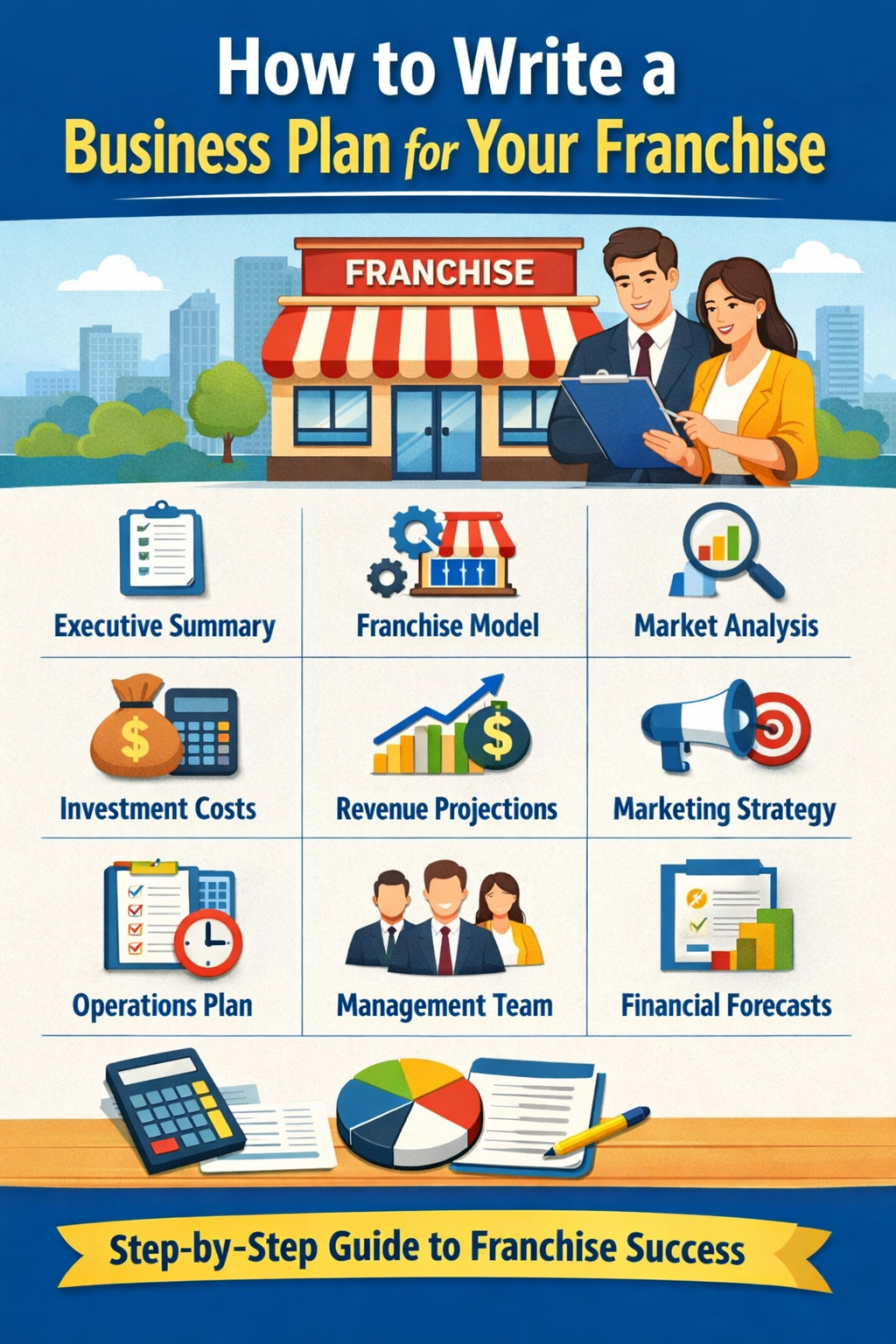
Here’s a clear, step-by-step guide on how to write a strong franchise business plan.
1. Start with a Clear Executive Summary

Your executive summary is the first section, but it’s usually written last. It should briefly explain:
- The franchise brand you’re investing in
- Your business goals
- Location (planned or chosen)
- Funding needs
- Expected returns and timeline
Tip: Keep it simple but compelling. Investors or lenders often decide whether to continue reading based on this section.
2. Describe the Franchise Business Model
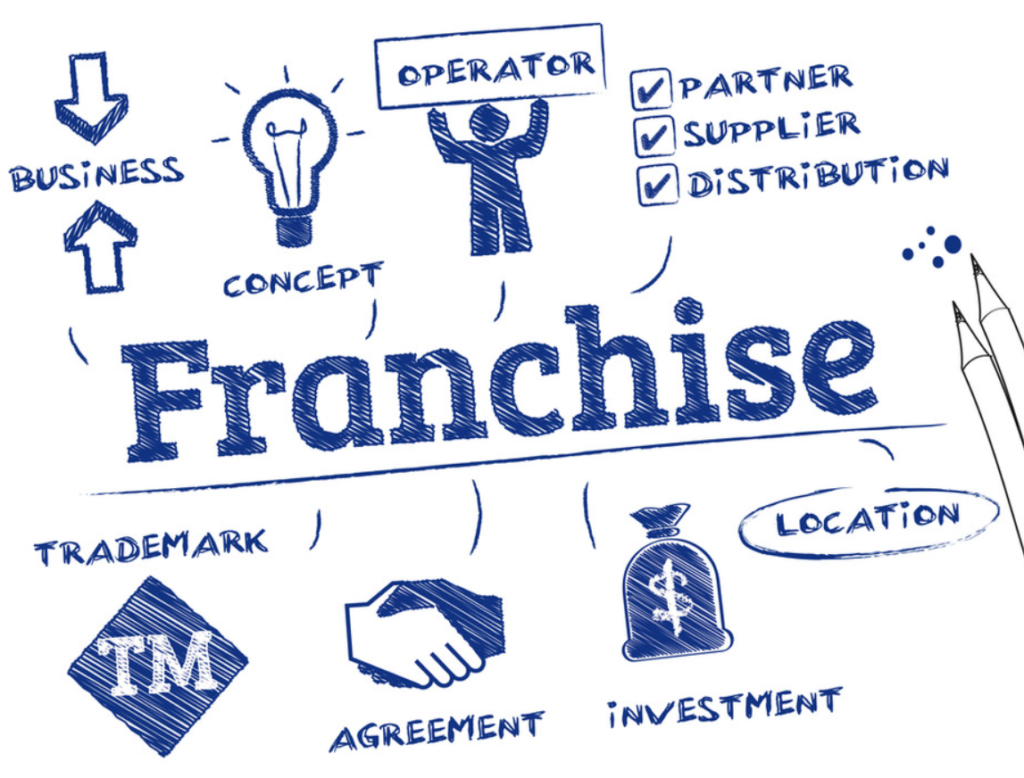
Unlike a startup, a franchise already has a structure. In this section, explain:
- The franchise concept (food, retail, services, etc.)
- How the business makes money
- What the franchisor provides (training, branding, systems)
- Your role as a franchisee
This shows that you understand how the system works and your responsibilities within it.
3. Explain Your Market and Location Analysis

Even strong franchises can fail in the wrong location. This section should cover:
- Target customers in your area
- Local demand for the product or service
- Competitor analysis
- Foot traffic or accessibility (for physical stores)
If possible, include data like population size, income levels, or buying behavior in your area.
4. Detail Your Franchise Investment Costs

Be very specific about your financial requirements. Include:
- Franchise fee
- Construction or store setup costs
- Equipment and supplies
- Initial inventory
- Working capital (at least 3–6 months recommended)
- Marketing and launch costs
Pro tip: Always include a buffer for unexpected expenses.
5. Outline Your Revenue Projections

Here, you estimate how much your franchise can earn. Include:
- Monthly sales projections
- Operating expenses
- Royalty fees (if applicable)
- Net profit estimates
You can base this on the franchisor’s performance data or existing franchisees in similar locations.
6. Define Your Marketing Strategy

Even if the franchise has national branding, local marketing still matters. Your plan should include:
- Grand opening strategy
- Local promotions and discounts
- Social media marketing
- Partnerships with nearby businesses
- Loyalty programs or repeat customer strategies
The goal is to show how you will attract and retain customers in your specific area.
7. Create an Operations Plan

This section explains how your franchise will run daily:
- Store hours or service schedule
- Staff roles and responsibilities
- Hiring and training process
- Supplier and inventory management
- Customer service standards
Franchises succeed when operations are consistent, so clarity is key.
8. Include a Management Structure

Even small franchises need structure. Describe:
- Who will manage the business
- Whether you’ll be hands-on or hire a manager
- Staffing hierarchy
- Roles and responsibilities of each team member
Investors want to know the business will be properly managed.
9. Provide a Risk Analysis

Every business has risks. A strong plan acknowledges them:
- Market competition
- Seasonal sales fluctuations
- Supply chain issues
- Staffing challenges
- Economic downturns
Then briefly explain how you’ll reduce or manage these risks.
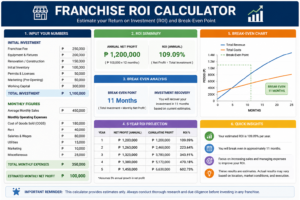
10. Add Financial Forecasts and Break-Even Analysis

This is one of the most important sections for lenders or investors. Include:
- Startup franchise cost summary
- Monthly cash flow projection
- Break-even point
- ROI timeline
This shows when the franchise is expected to become profitable.
Final Thoughts
A franchise business plan is more than a requirement. It’s your roadmap to success. Even though the business model is already proven, your location, management, and execution will determine the outcome.
A strong plan helps you:
- Avoid financial surprises
- Secure funding faster
- Run operations more efficiently
- Increase your chances of long-term success
If you take the time to build a detailed and realistic plan, you’re already ahead of many new franchise owners.