If you’re planning to invest in a franchise in the Philippines, one of the first questions you’ll ask is: “How much do I really need to start?”
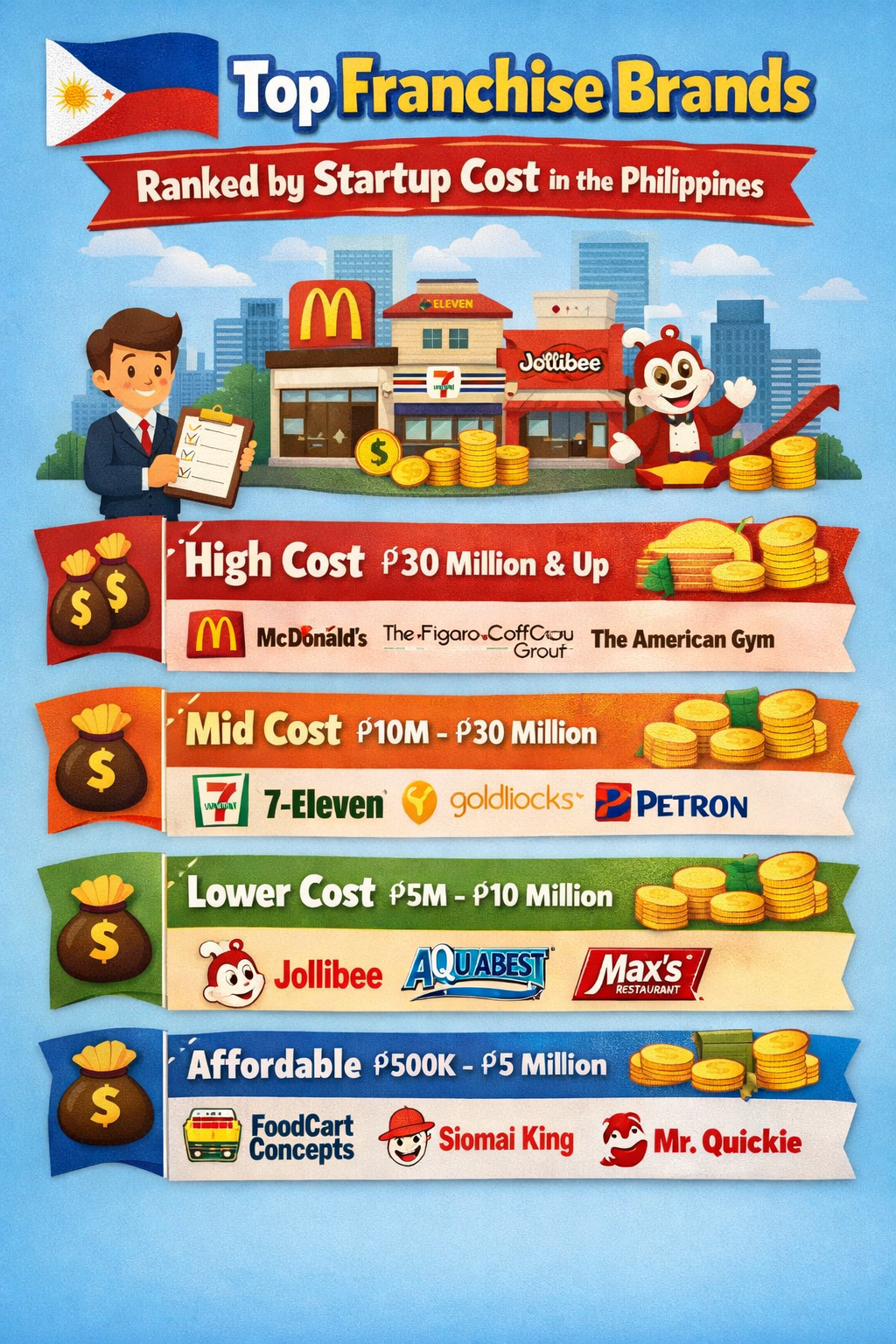
Startup cost matters—not just because of the capital required, but because it determines your risk level, scalability, and potential return on investment. Below is a more detailed, human-friendly breakdown of 20 well-known franchise brands in the Philippines, ranked generally from lower to higher startup cost brackets.
(Disclaimer: Costs are estimates and may vary depending on location, store size, and latest franchise terms.)
LOW-COST FRANCHISES (Under ₱500,000)
These are ideal for first-time entrepreneurs, OFWs starting small, or investors testing the waters.
1. Siomai King
Estimated Investment: ₱160,000 – ₱280,000
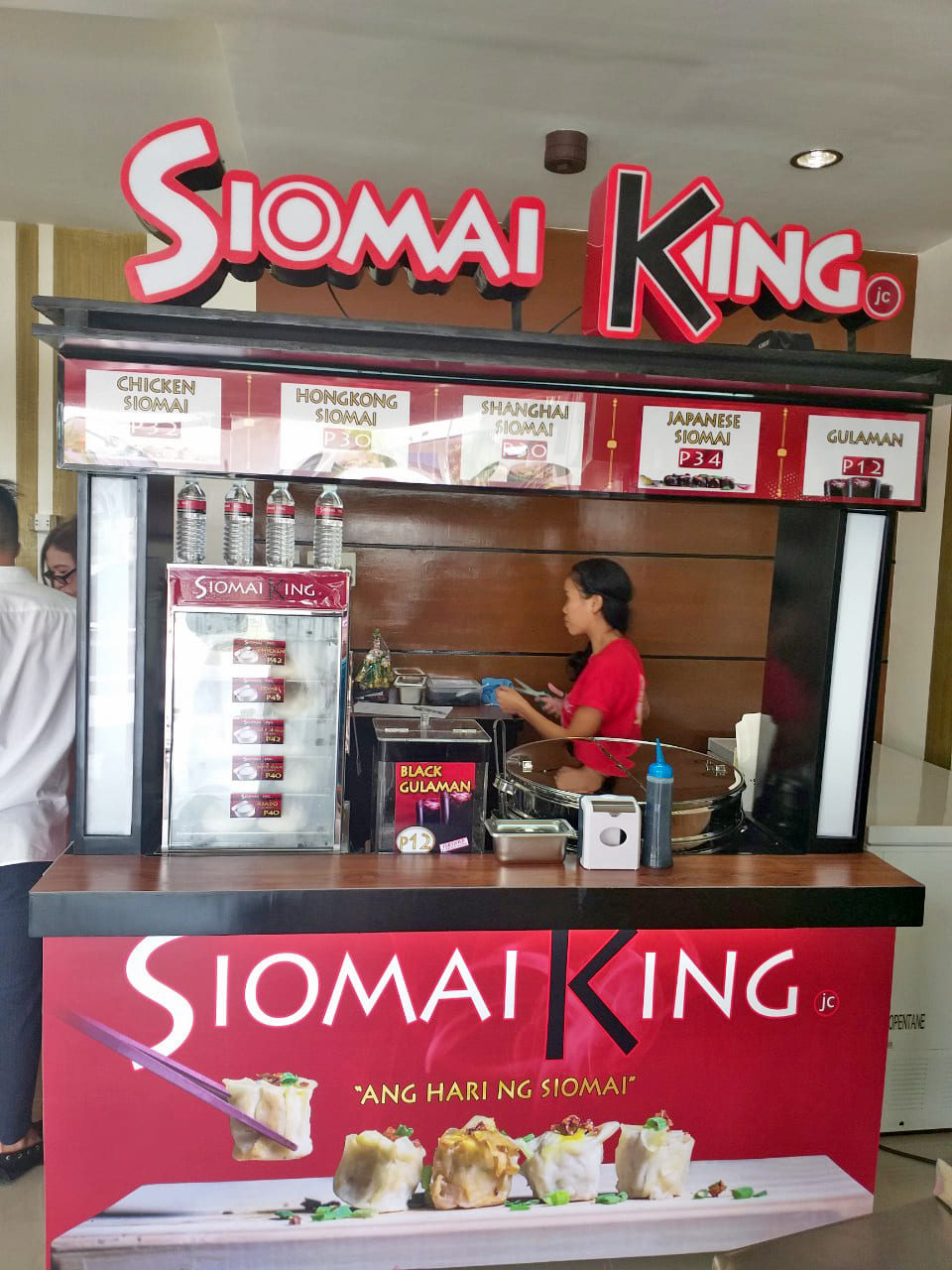
If there’s one snack that Filipinos never get tired of, it’s siomai. Siomai King offers a very affordable entry point into the food cart industry. The package typically includes a food cart, initial inventory, and training support.
What makes this attractive is its simple operation. You don’t need a large kitchen or a big team—often one or two staff members are enough. Since siomai is affordable, demand stays consistent, especially in malls, schools, and transport hubs.
This is a great stepping stone for entrepreneurs who want to start small but dream big.
2. Potato Corner
Estimated Investment: ₱200,000 – ₱450,000 (kiosk type)

Potato Corner has built a loyal following for decades. From cheese to barbecue and sour cream flavors, it’s a brand that instantly triggers nostalgia.
The smaller kiosk format keeps startup costs manageable. What makes this franchise appealing is strong brand recall—you’re not building from scratch. Customers already know what they’re getting.
High foot traffic areas like malls and public markets are ideal. If you secure a good location, this can generate steady daily cash flow.
3. Turks
Estimated Investment: ₱300,000 – ₱600,000
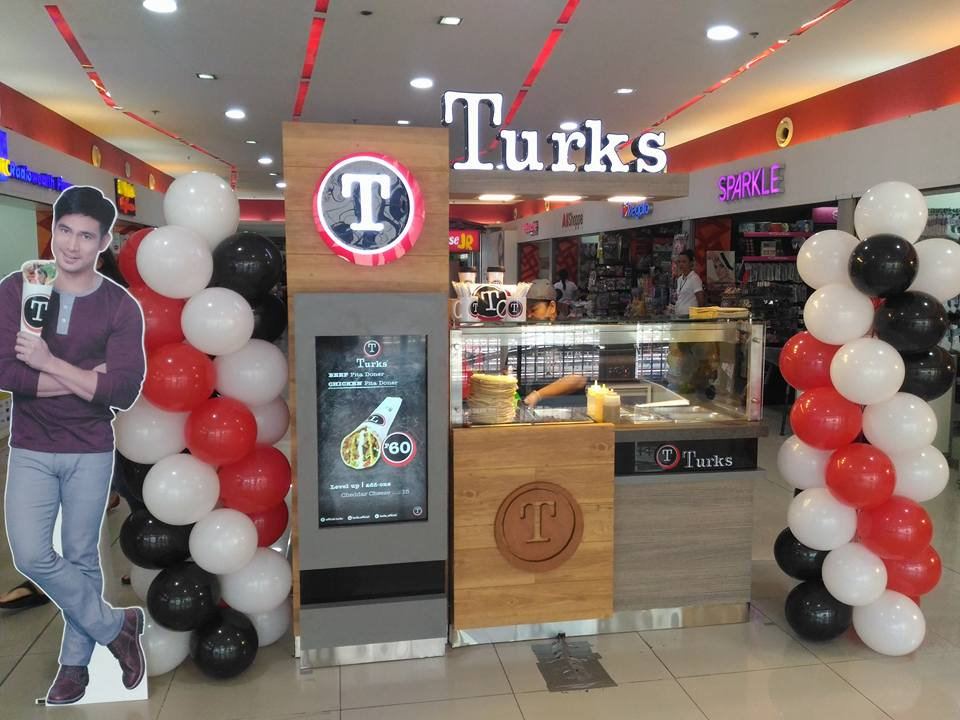
Turks is known for its affordable and filling shawarma wraps. It performs especially well in malls and transport terminals where customers want quick, budget-friendly meals.
The business model is straightforward—limited menu, fast preparation, and high turnover. That simplicity keeps operational costs lower and makes it easier to train staff.
For entrepreneurs who want something beyond siomai but still affordable, Turks offers a nice middle ground.
4. Master Siomai
Estimated Investment: ₱280,000 – ₱450,000
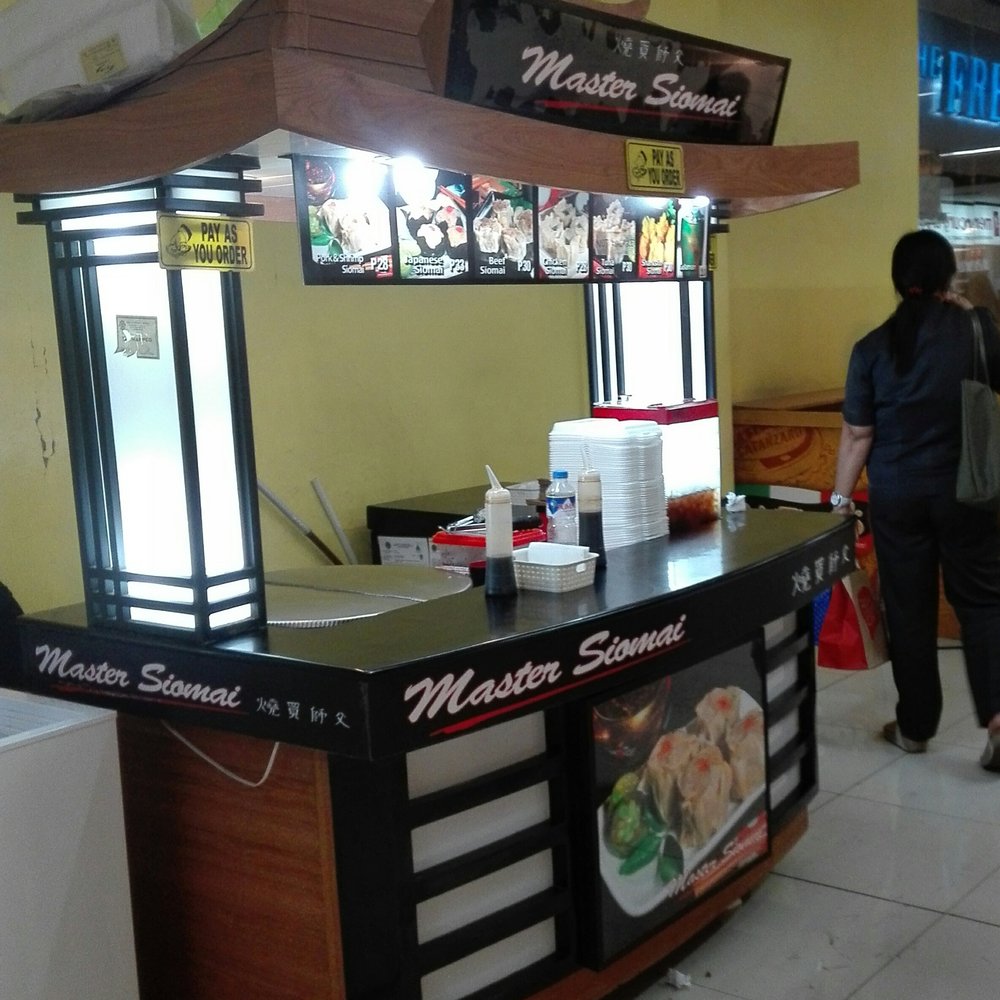
Master Siomai is one of the pioneers in the siomai cart business. The brand’s longevity gives it credibility, and many franchisees appreciate the structured system.
Because siomai is a comfort food for many Filipinos, demand remains strong year-round. With good placement inside malls or near schools, returns can be consistent.
This is often considered one of the safer entry-level franchise investments.
5. Infinitea
Estimated Investment: ₱300,000 – ₱500,000

Milk tea may have gone through waves of trends, but the demand hasn’t disappeared. Infinitea offers a more affordable way to enter the beverage business compared to bigger international brands.
The target market—students and young professionals—is large and loyal. With the right location near schools or business districts, this franchise can perform well.
However, competition is strong, so location and marketing matter a lot.
MID-RANGE FRANCHISES (₱500,000 – ₱2 Million)
These franchises require more capital but often offer better systems, stronger branding, and higher revenue potential.
6. Minute Burger
Estimated Investment: ₱500,000 – ₱1 Million

Minute Burger has mastered the “Buy 1 Take 1” concept, making it very appealing to budget-conscious Filipinos.
It works well in residential neighborhoods where customers want affordable, quick meals. The brand has been around for years, meaning systems and supplier networks are already in place.
This is ideal for those looking for a community-based food business.
7. Angel’s Pizza
Estimated Investment: ₱1 – ₱2 Million

Angel’s Pizza became extremely popular because of its Creamy Spinach Dip Pizza. It competes well in the growing pizza delivery market.
The brand focuses heavily on delivery and takeout, which lowers the need for large dine-in spaces. In the era of food delivery apps, this is a strong advantage.
For investors who want a recognizable but not ultra-expensive pizza brand, this is a solid mid-tier option.
8. Generika Drugstore
Estimated Investment: ₱700,000 – ₱1.2 Million

Healthcare is a necessity, not a luxury. Generika focuses on affordable generic medicines, making it highly relevant in both urban and rural areas.
Unlike food businesses that fluctuate with trends, pharmacies enjoy steady demand. This makes it attractive for investors who prefer stability over hype.
9. LBC Express
Estimated Investment: ₱800,000 – ₱1.5 Million
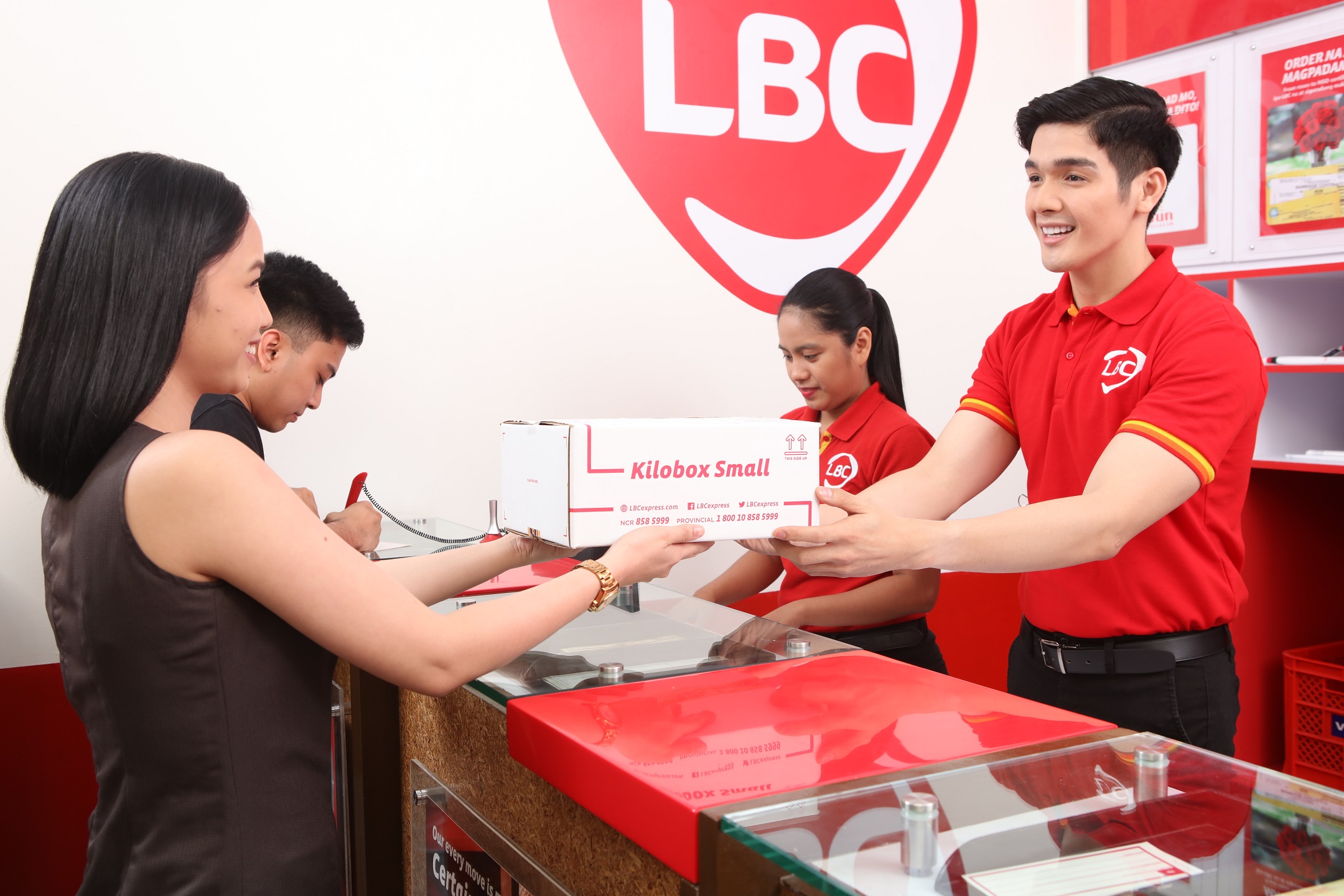
With e-commerce continuously growing, logistics businesses like LBC remain in high demand. Filipinos regularly send packages locally and abroad.
This franchise benefits from brand trust and established systems. If located in a busy commercial area, it can generate stable transactions daily.
HIGH-INVESTMENT FRANCHISES (₱3 Million and Above)
These require significant capital but offer strong brand equity and revenue potential.
10. 7-Eleven Philippines
Estimated Investment: ₱3 – ₱5 Million
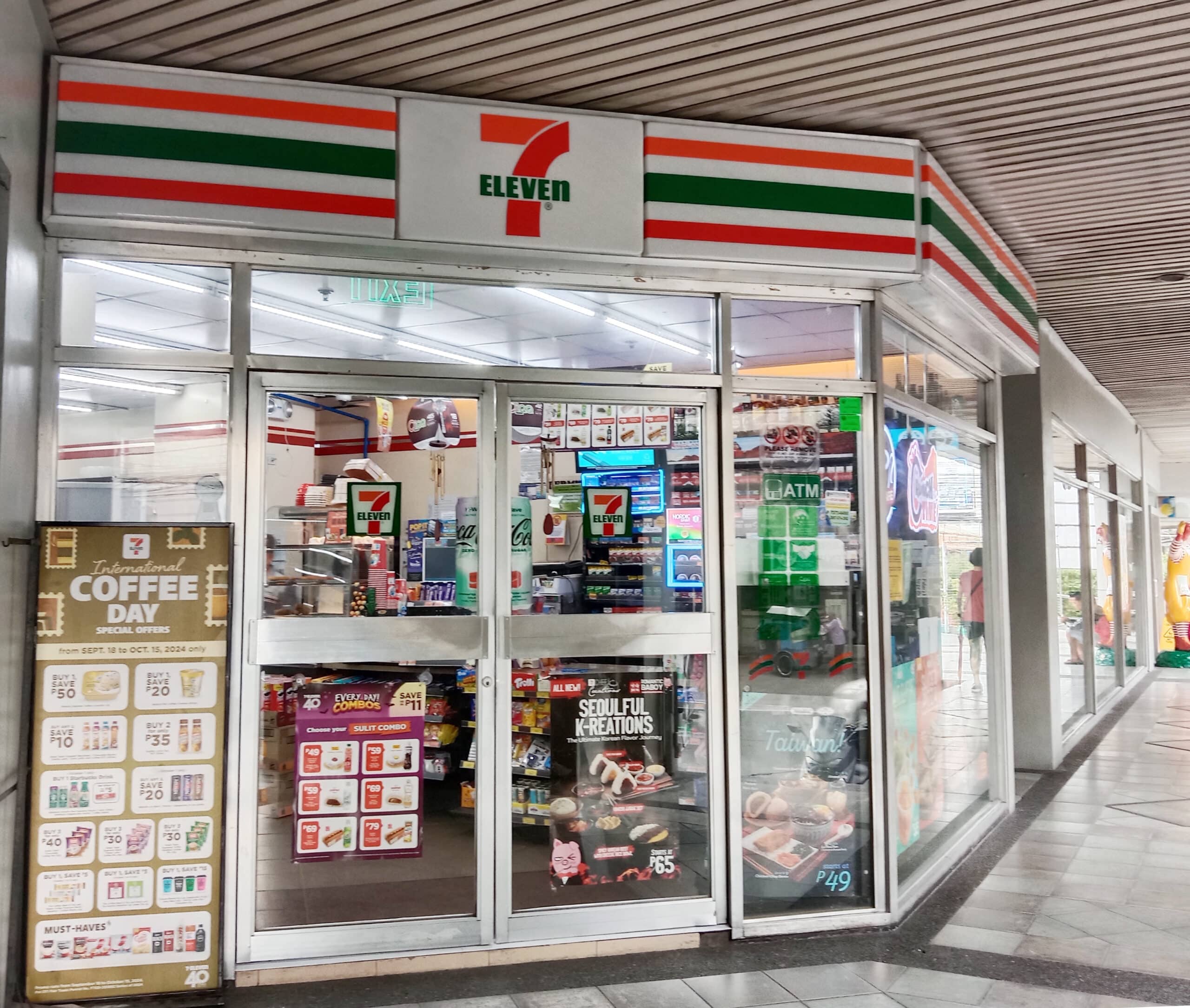
7-Eleven is a convenience store giant. Its 24/7 model ensures continuous revenue flow.
However, operational costs are higher due to staffing, utilities, and inventory. Still, the brand’s strong systems and support make it attractive for serious investors.
11. Mang Inasal
Estimated Investment: ₱12 – ₱15 Million

Famous for unlimited rice and grilled chicken, Mang Inasal remains a crowd favorite. Strong dine-in traffic and high volume are typical for good locations.
12. Chowking
Estimated Investment: ₱9 – ₱12 Million
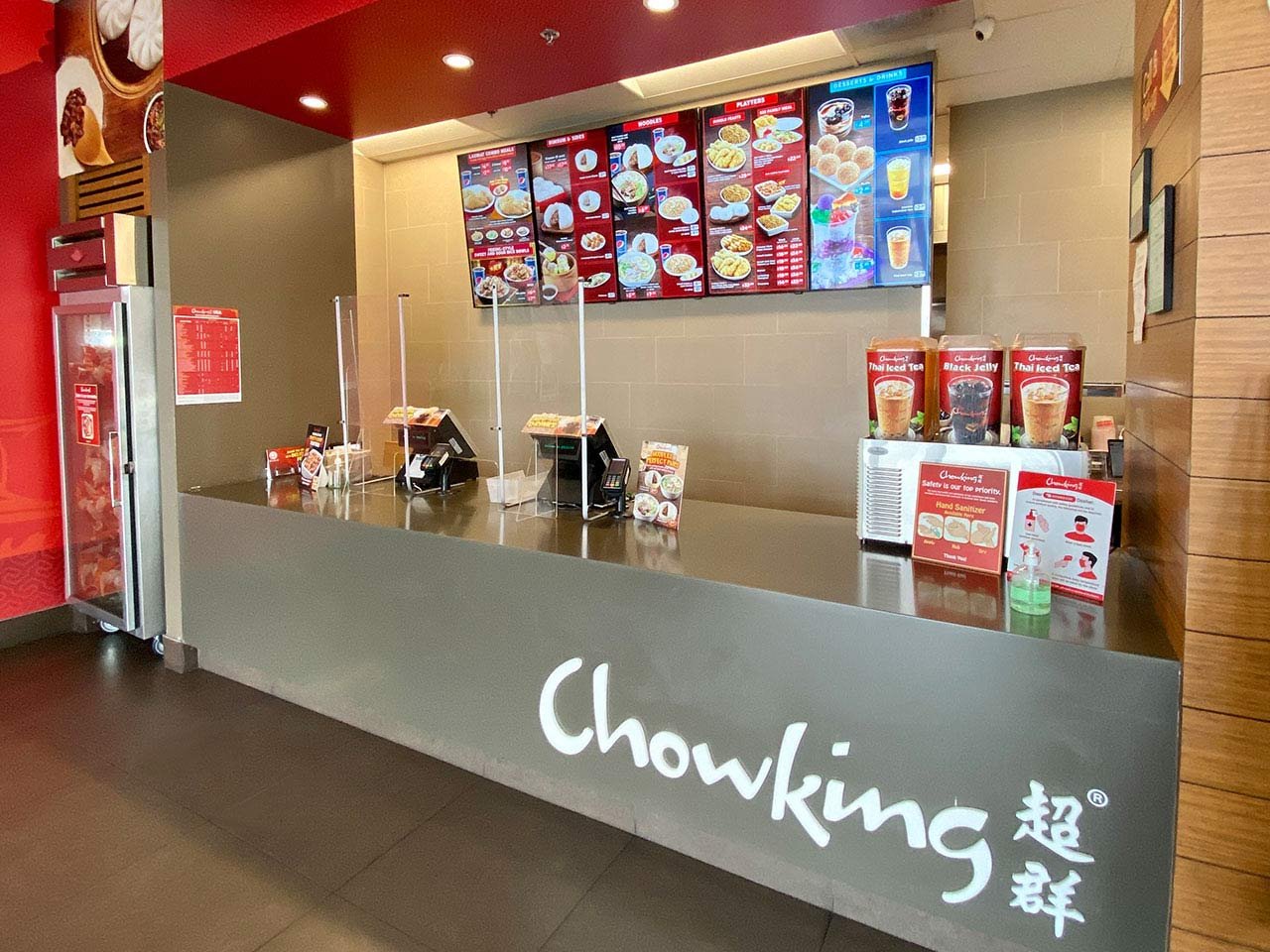
Chowking combines Chinese-style meals with Filipino taste preferences. It’s widely recognized nationwide.
13. Greenwich
Estimated Investment: ₱8 – ₱10 Million

Greenwich focuses on family dining and group meals, making it strong in malls and community areas.
14. KFC Philippines
Estimated Investment: ₱20 – ₱35 Million

Internationally recognized, KFC carries premium brand power. It requires larger space and stricter franchise screening.
15. McDonald’s Philippines
Estimated Investment: ₱30 – ₱50 Million
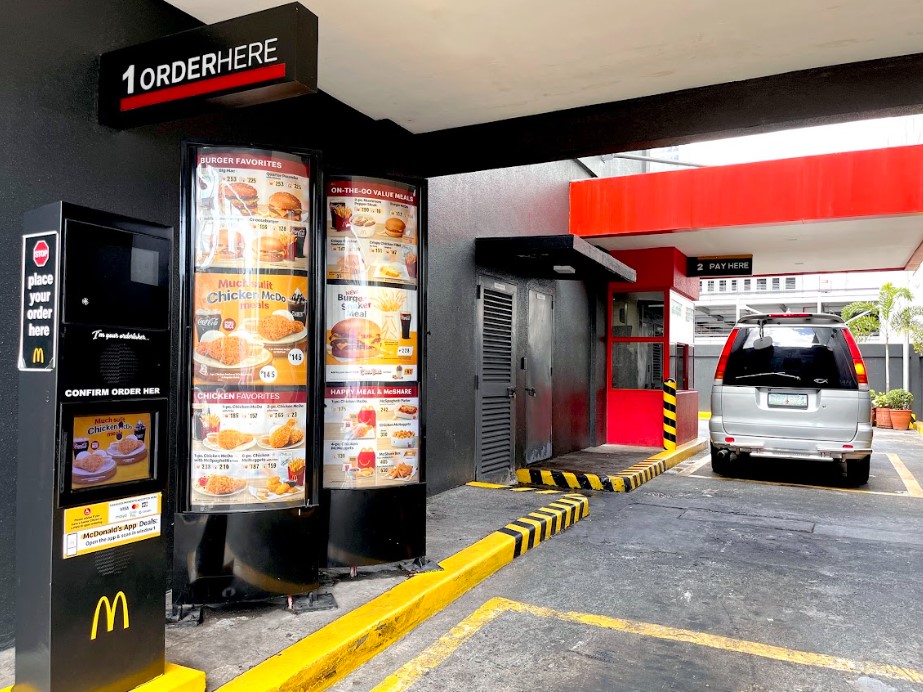
McDonald’s – A global leader in fast food. High capital requirement, but unmatched system and brand strength.
16. Jollibee
Estimated Investment: ₱35 – ₱55 Million
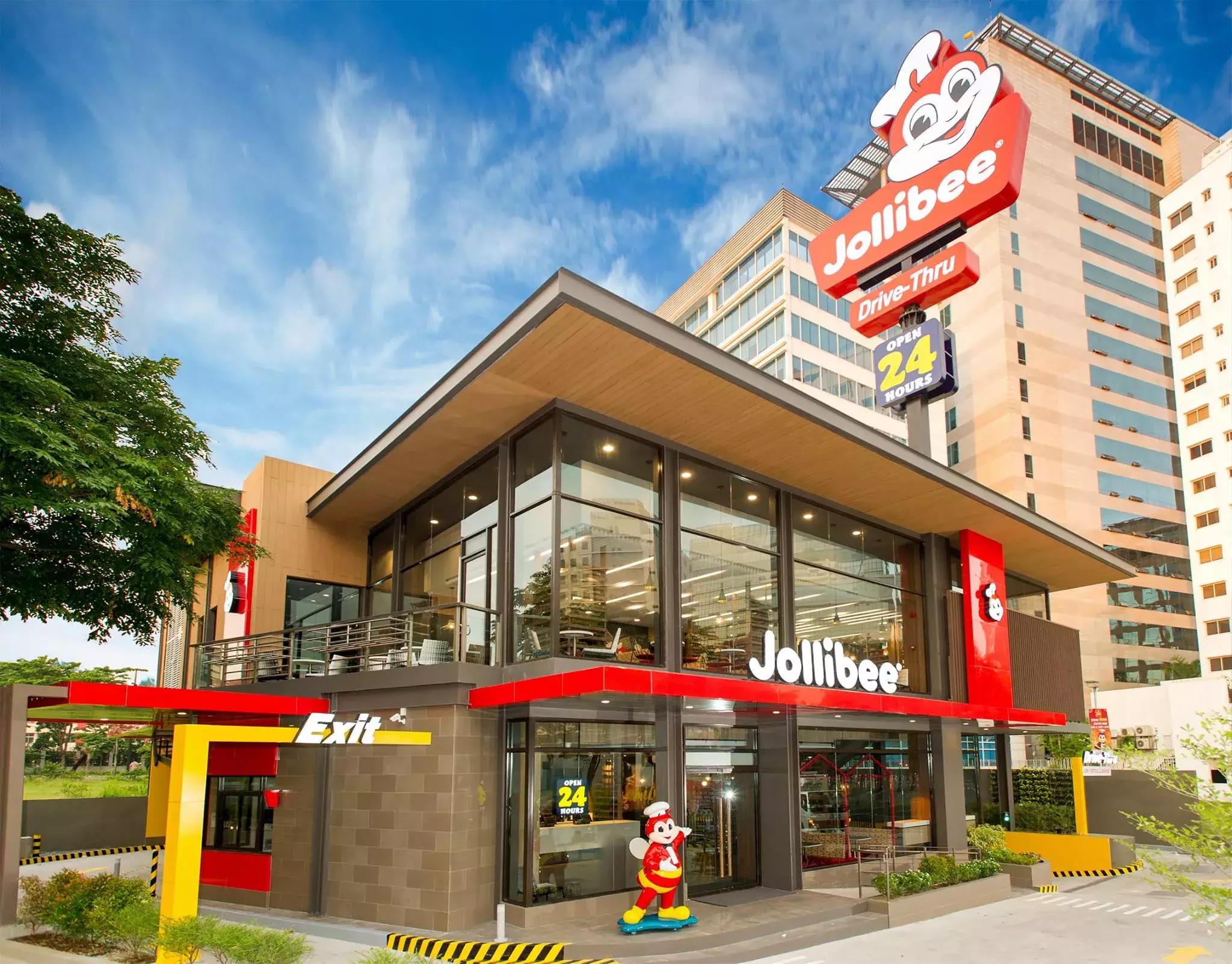
Jollibee – The country’s most iconic fast-food brand. Strong emotional connection with Filipino consumers.
17. The Generics Pharmacy
Estimated Investment: ₱600,000 – ₱1 Million

The Generics Pharmacy – Another solid healthcare franchise option focused on affordable medicines and community service.
18. Mr. Quickie
Estimated Investment: ₱500,000 – ₱800,000

A service-based franchise that provides shoe repair, bag repair, and key duplication. Lower food-related risks.
19. Shell
Estimated Investment: ₱3 – ₱6 Million (dealer-operated varies)

Shell Philippines – Fuel retail can generate high revenue but requires land, permits, and significant operational management.
20. Petron
Estimated Investment: ₱3 – ₱6 Million (dealer-operated varies)
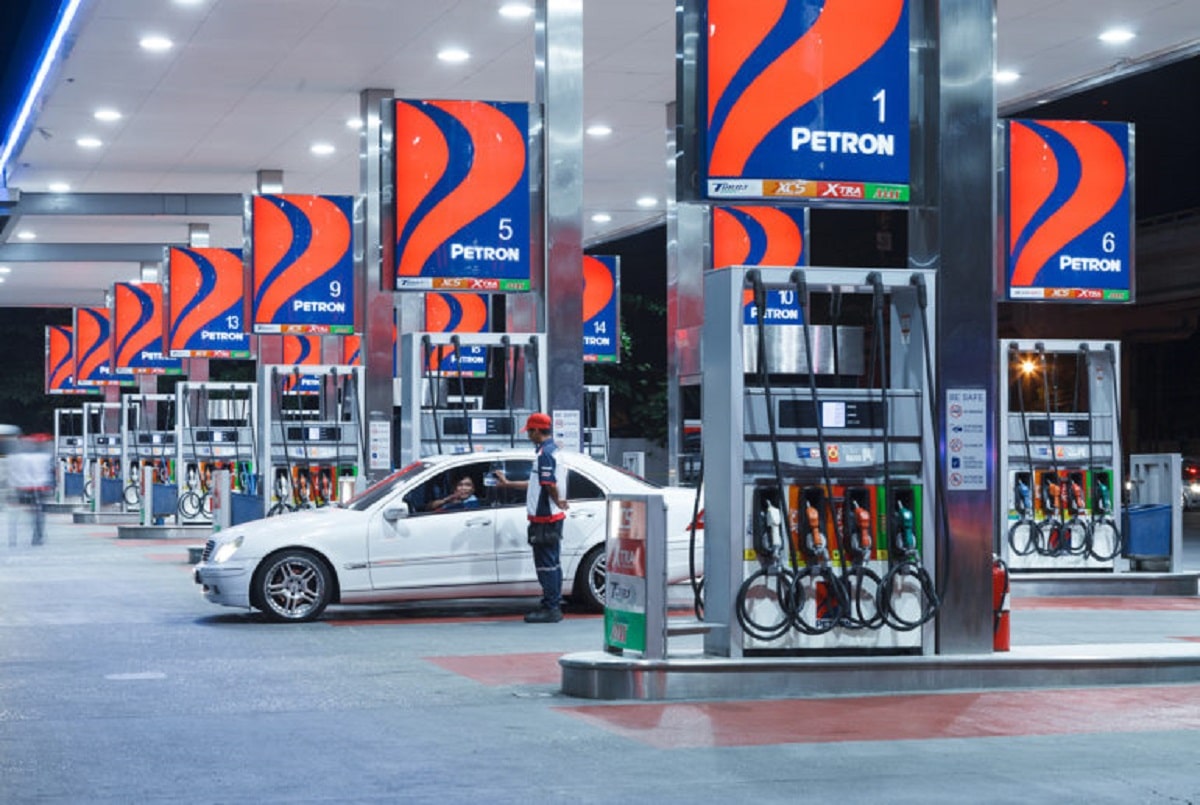
Petron is another major fuel brand with a strong nationwide presence and dealer programs.
Final Thoughts
There’s no “perfect” franchise—only the one that matches your capital, risk appetite, and long-term goals.
If you’re starting small, food carts are a practical entry point. If you want stability, pharmacies and logistics may suit you. If you have significant capital, major fast-food brands offer strong brand equity—but also higher pressure and expectations.
Before signing anything, always:
- Request updated franchise terms
- Review contracts carefully
- Study your location thoroughly
- Compute realistic ROI projections
Franchising in the Philippines remains one of the most accessible paths to business ownership—but smart research is what separates success from regret.