Buying a franchise is one of the most structured ways to start a business in the Philippines. It allows you to operate under a proven brand while getting guidance and support from the franchisor. Below is a step-by-step guide to help you navigate the process and make informed decisions.
1. Understand the Franchise Model
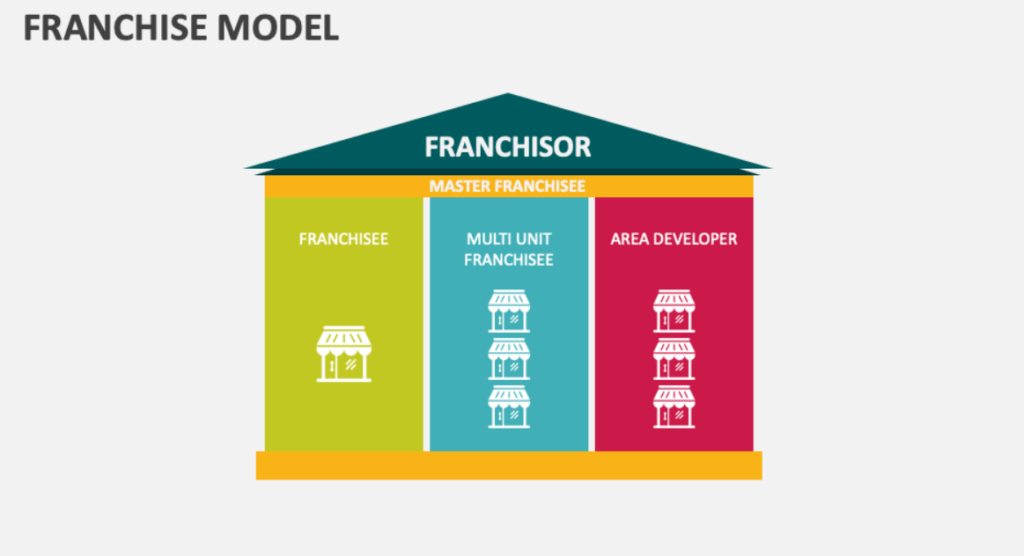
Before making any investment, it’s essential to understand what franchising is, the franchise model, and how it works. A franchise is a business model where you, the franchisee, pay fees to use an established brand, systems, and support provided by the franchisor.
Key points to know:
- Franchise Fee: A one-time fee paid to the franchisor for the rights to operate the brand.
- Royalty Fee: Ongoing payments (usually a percentage of revenue) for continued use of the brand.
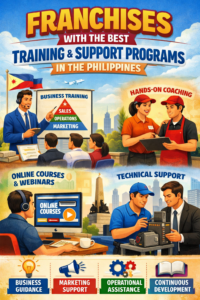
- Support & Training: Franchisors often provide training, operational manuals, and marketing guidance.
2. Research Franchise Opportunities
Start by exploring industries and brands that align with your interests, skills, and budget. Popular sectors in the Philippines include:
- Food & Beverage: Cafes, quick-service restaurants, and bakeries.
- Retail & Convenience: Convenience stores, specialty shops, and health products.
- Health & Wellness: Fitness centers, spas, and clinics.
- Services: Education, logistics, cleaning, and repair services.
Tips for research on franchise opportunities:
- Attend franchise expos or business seminars.
- Visit online franchise directories in the Philippines.
- Compare brands based on popularity, reputation, and growth potential.
3. Evaluate the Investment Cost

Franchises in the Philippines range from small kiosk setups to full-scale outlets. It’s crucial to understand the total investment needed.
Breakdown of typical costs:
- Franchise Fee: Varies depending on the brand and type of franchise.
- Store/Equipment Setup: Includes renovations, furniture, and equipment.
- Working Capital: Funds needed to cover initial operations, inventory, and salaries.
- Marketing & Royalty Fees: Ongoing contributions for advertising and support.
Tip: Always prepare a financial buffer for unexpected expenses.
4. Request a Franchise Disclosure Document (FDD)
The FDD is a legal document provided by the franchisor that contains critical information about the franchise.
What to look for in the FDD:
- Detailed fees and payments.
- Obligations of both franchisor and franchisee.
- Financial performance of existing stores.
- Legal or pending issues affecting the brand.
Tip: Consult a lawyer experienced in franchise law to review the FDD before making any commitments.
5. Conduct Due Diligence
Speak to current franchisees to understand the real-world experience of running the franchise. Ask about:
- Profitability and revenue trends.
- Operational challenges or difficulties.
- Level of franchisor support in marketing, training, and problem-solving.
Tip: Visiting multiple franchise locations can give you a better understanding of daily operations.
6. Secure Financing

Once you know the total investment, determine how you’ll fund your franchise. Options include:
- Personal savings.
- Bank or government loans.
- Franchisor financing or installment programs.
- Investor partnerships.
Tip: Have enough capital not only to start the business but also to cover 3–6 months of operating costs.
7. Sign the Franchise Agreement
Once you’re satisfied with your research and finances, you’ll sign the franchise agreement. This document legally binds you to the terms of the franchise.
Important points to check:
- Contract duration and renewal terms.
- Rights and responsibilities of the franchisee.
- Conditions for termination or transfer.
- Payment schedules for royalty and marketing fees.
Tip: Never rush signing — ensure every clause is clear and fair.
8. Complete Training and Setup
Franchisors usually provide training programs covering:
- Operations management.
- Customer service standards.
- Marketing strategies.
- Inventory management.
You’ll also need to set up your store according to brand standards, including layout, equipment, staff uniforms, and supplies.
9. Launch Your Franchise
Once training and setup are complete, it’s time to open your franchise to the public. Consider:
- A grand opening event to attract customers.
- Initial marketing campaigns, both online and offline.
- Offering promotions or special deals to build traffic.
Tip: Use the franchisor’s marketing support and social media presence to your advantage.
10. Manage and Grow Your Business
After launch, consistent management is key. Track:
- Sales and profitability.
- Customer feedback and reviews.
- Inventory and supply levels.
- Staff performance and training needs.
Tip: Following the franchisor’s guidelines while maintaining quality and service consistency will help grow your business successfully.
By carefully following these steps, you can make informed decisions, reduce risks, and increase your chances of success in the Philippine franchise market. Franchising gives you a structured way to start a business, but your dedication, research, and operational skills will ultimately determine your growth.