The Philippine franchise industry isn’t just surviving, it’s evolving. Consumer behavior has shifted, digital platforms are influencing buying decisions, and Filipinos are becoming more intentional about where they spend their money.
For aspiring entrepreneurs, this creates opportunity. But instead of jumping into any popular brand, it’s smarter to look at which sectors are truly expanding and why.
Below is a deeper look at the fastest-growing franchise sectors in the Philippines today, written in practical, real-world terms so you can better understand where the momentum is.
1. Food & Beverage (F&B) Franchises
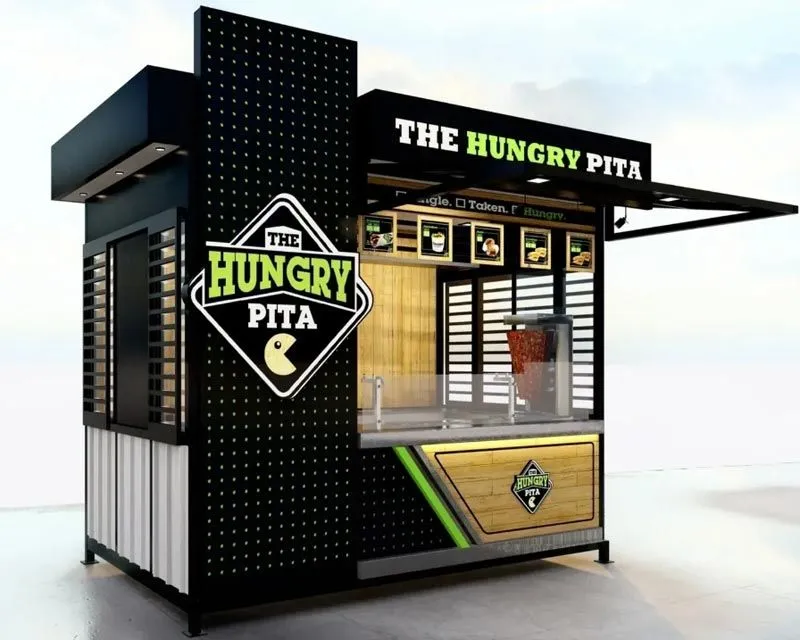
Food will always be a strong business in the Philippines. Eating out isn’t just about hunger, it’s about bonding, convenience, and experience. Whether it’s grabbing milk tea after school, ordering samgyupsal for dinner, or buying fish balls outside the office, Filipinos spend on food daily.
That consistent demand is why F&B franchises remain the dominant sector.
What’s interesting right now is the shift toward flexible formats. Instead of large dine-in restaurants only, many investors are choosing:
- Food carts in malls
- Small kiosks in transport terminals
- Cloud kitchens focused on delivery
- Neighborhood cafés with compact seating
Another reason for growth is digital ordering. Even small brands now benefit from food delivery apps, social media marketing, and influencer promotions. This levels the playing field for newer franchise concepts.
However, F&B also requires hands-on management. Inventory spoilage, staffing issues, and quality control can impact profits. That’s why choosing a franchise with strong operational training matters.
Why it’s growing: Daily demand, trend adaptability, and scalable formats.
Best for: Entrepreneurs willing to be hands-on and manage operations closely.
2. Coffee Shop Franchises
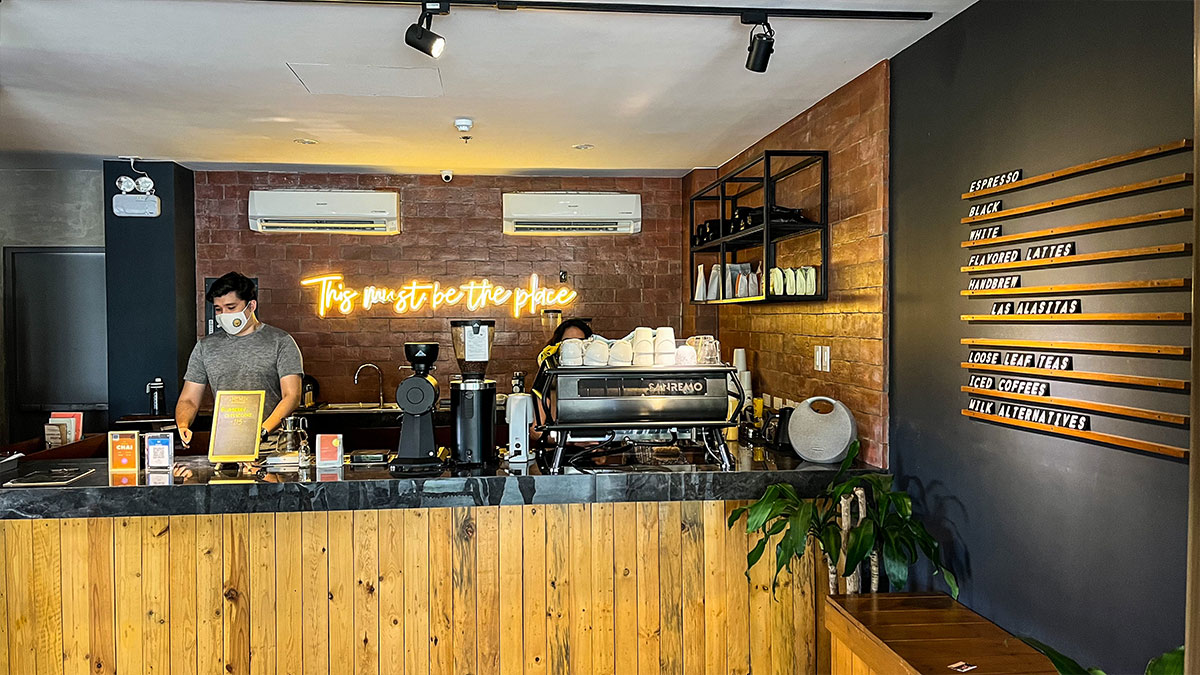
Coffee in the Philippines is no longer just a morning drink. It’s part of a lifestyle.
Students stay in cafés to study. Freelancers work remotely in coffee shops. Friends meet there instead of fast-food chains. Because of this shift, coffee franchises have seen steady growth in both urban and provincial areas.
Major global brands like Starbucks paved the way, but local and mid-range coffee concepts are now thriving as well. Many offer:
- Affordable espresso drinks
- Instagrammable interiors
- Light meals and pastries
- Loyalty programs for repeat customers
What makes coffee attractive to investors is the margin. The markup on coffee beverages is high compared to raw material costs. A cup sold at ₱120–₱180 may only cost a fraction of that to produce.
Still, location is everything. A poorly placed café can struggle, while one near schools or business districts can become a daily habit for customers.
Why it’s growing: Lifestyle shift, repeat customers, high product margins.
Best for: Investors targeting students, young professionals, and urban communities.
3. Laundry & Cleaning Service Franchises
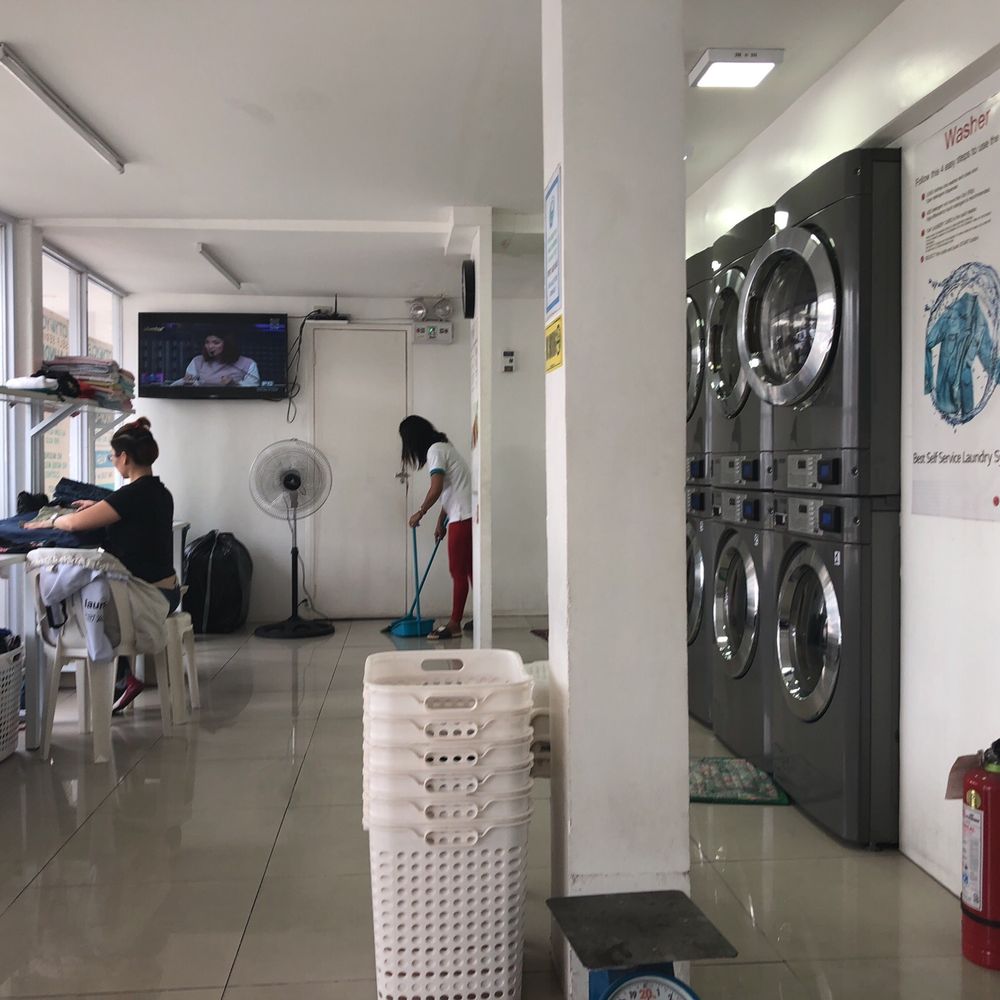
Not all fast-growing franchises are flashy. Laundry services are quietly becoming one of the most stable sectors.
As condominium living increases, many residents don’t have washing machines. Even in subdivisions, busy families prefer outsourcing laundry to save time.
Unlike F&B, laundry services are necessity-based. Clothes need washing every week, regardless of trends or seasons.
Modern laundromats now offer:
- Self-service washing machines
- Pickup and delivery
- Monthly subscription packages
- Mobile payment options
The operational model is also simpler compared to restaurants. There’s no perishable inventory, and staffing requirements are lower.
It’s not a glamorous business, but it’s consistent, and consistency often wins in the long run.
Why it’s growing: Urban condo living, recurring demand, operational simplicity.
Best for: Investors seeking stable, lower-maintenance businesses.
4. Water Refilling Station Franchises
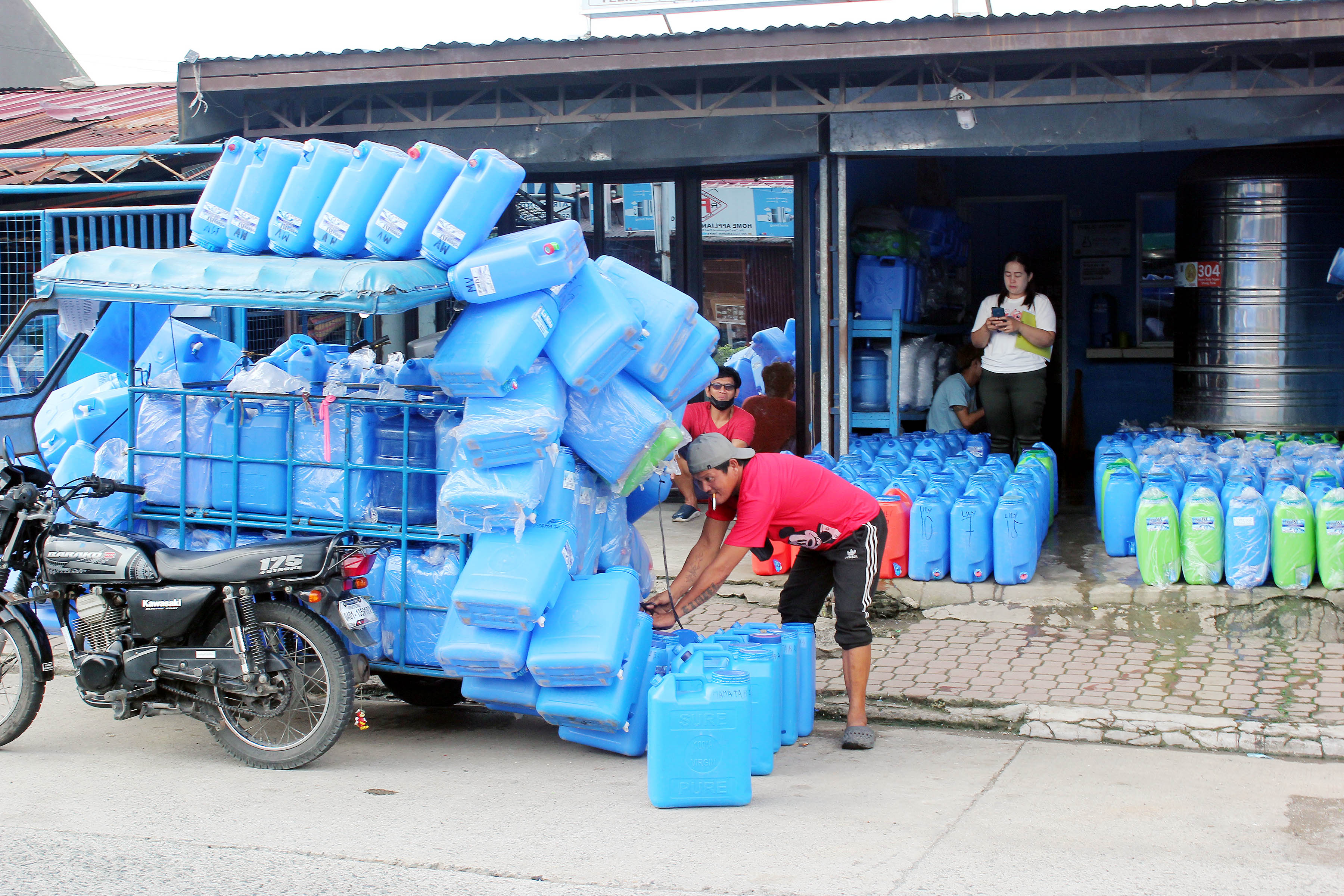
Water refilling stations remain one of the most practical franchise options in the Philippines.
Access to affordable, clean drinking water is essential. Most households regularly purchase water gallons — sometimes multiple times per week.
This sector grows particularly well in:
- Residential subdivisions
- Apartment complexes
- Urban barangays
- Provincial communities
The model is straightforward: filtration equipment, container sanitation, and delivery services. Many operators build loyalty by offering fast delivery and maintaining strong hygiene standards.
Competition can be tight, especially in populated areas. But good service, proper maintenance, and consistent quality can help you build a loyal neighborhood customer base.
It may not be trendy, but it’s steady.
Why it’s growing: Essential product, repeat household demand, affordable startup cost.
Best for: Community-focused entrepreneurs.
5. Health, Beauty & Wellness Franchises

Filipinos are spending more on self-care than ever before. Beauty salons, aesthetic clinics, massage spas, and slimming centers are expanding across cities.
Social media plays a big role here. Skincare routines, wellness trends, and aesthetic treatments are widely promoted online, influencing consumer behavior.
Another growth driver is increased disposable income among young professionals. Self-care is no longer seen as a luxury; it’s part of maintaining confidence and well-being.
Franchise brands in this sector typically provide:
- Professional training
- Standardized treatment protocols
- Marketing support
- Equipment sourcing
However, service quality is everything. Skilled staff and customer experience directly impact repeat visits.
Why it’s growing: Social media influence, rising self-care awareness, strong margins.
Best for: Service-oriented entrepreneurs focused on customer experience.
6. Convenience Store Franchises
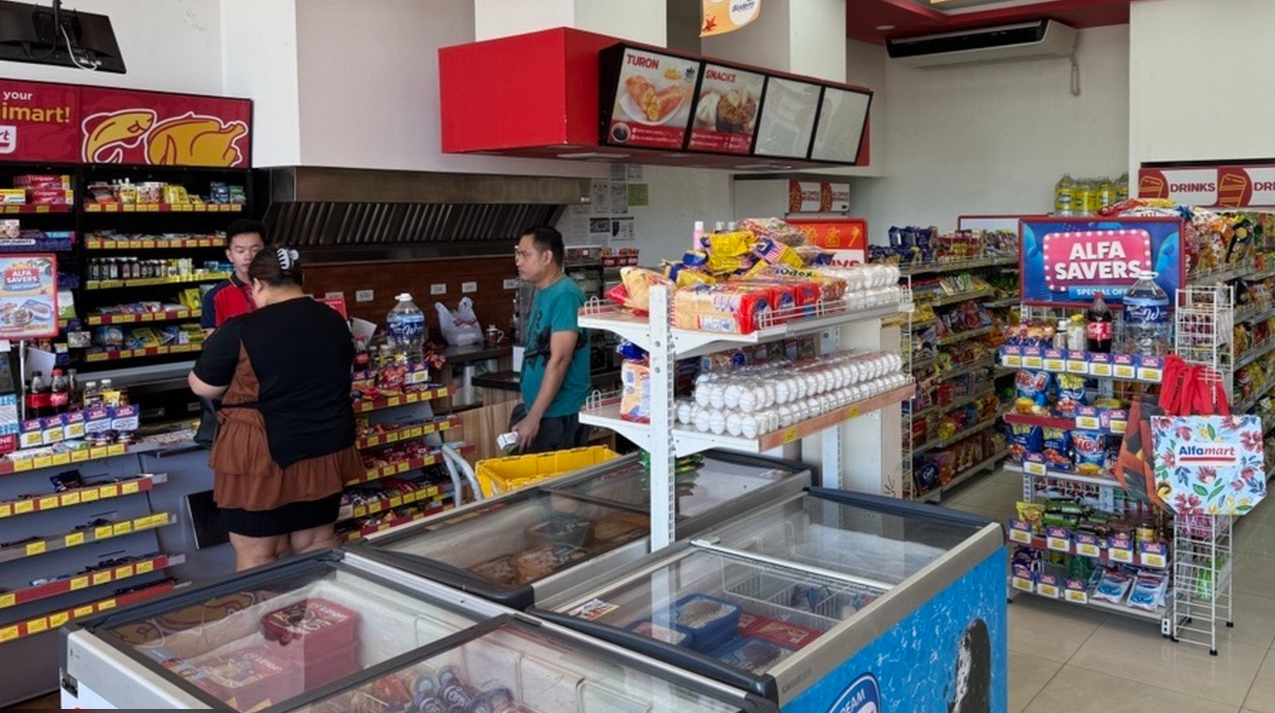
Convenience stores are multiplying across both urban and suburban areas. Filipinos value accessibility, being able to buy snacks, bills payment services, or essentials without going to a supermarket.
Large chains like 7-Eleven have expanded aggressively, but smaller neighborhood formats are also growing.
What makes this sector strong is volume. Margins per product may be smaller compared to coffee or beauty services, but high daily transactions can drive profitability.
Many stores now offer:
- 24/7 operations
- Bills payment services
- Ready-to-eat meals
- E-wallet cash-ins and remittances
It’s a capital-intensive franchise, but it offers long-term scalability.
Why it’s growing: High transaction volume, daily essentials demand, residential expansion.
Best for: Investors with mid-to-high capital seeking steady long-term growth.
7. Education & Training Franchises

Education remains a top priority for Filipino families. Parents are willing to invest in tutorial centers, review classes, and skills training programs to help their children succeed.
What’s evolving now is the hybrid learning model. Many franchise education centers combine:
- Face-to-face classes
- Online learning platforms
- Skills workshops
- Specialized exam preparation
There’s also growing demand for coding classes, digital skills training, and English proficiency programs — particularly for students aiming to work abroad or enter competitive industries.
Unlike food or retail, education businesses often rely on enrollment cycles. Marketing during peak seasons (like before school opening or board exams) becomes critical.
Why it’s growing: Strong cultural emphasis on education, digital skills demand, hybrid learning models.
Best for: Educators, professionals, and community-focused investors.
What’s Really Driving Franchise Growth?
Across all sectors, a few common drivers stand out:
- Growing middle-class spending
- Urbanization and condo living
- Digital platforms and online marketing
- Return of OFWs investing locally
- Desire for lower-risk business models
Franchising gives entrepreneurs a head start — systems are already tested, branding is established, and training is provided.
But success still depends on execution. Location choice, daily management, and financial discipline matter just as much as brand name.
Final Thoughts
If you’re looking to invest in a franchise in the Philippines right now, focus on sectors with real demand — not just hype.
Food & Beverage remains powerful, but quieter sectors like laundry services and water refilling stations can offer stability. Wellness and coffee shops reflect lifestyle trends, while education and convenience stores provide long-term growth potential.
The “best” sector ultimately depends on:
- Your available capital
- Your management style
- Your risk tolerance
- Your local market
Franchising isn’t a shortcut to instant wealth, but in the right sector, with the right execution, it can be a smart and sustainable path to business ownership.